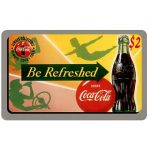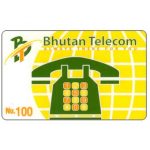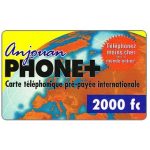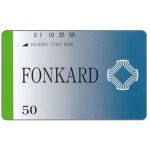
Phone cards, once essential for public communications, have largely disappeared worldwide due to mobile phones and internet-based calls. However, some countries still use these cards, either for practical reasons, tourism, or emergencies.
Why Phone Cards Are Still Used
Despite digitalization, phone cards remain useful in certain contexts:
-
Limited internet access: In remote areas or where mobile networks are unstable, public phone booths with prepaid cards are still reliable.
-
Tourism and international calls: Many tourists prefer prepaid cards to make calls at fixed rates without needing a local SIM card.
-
Emergencies: Phone booths with cards work even when mobile phones have no signal or battery.
-
Collecting: In some countries, older or commemorative cards are collected as memorabilia.
Countries Where Phone Cards Are Still Used
Japan
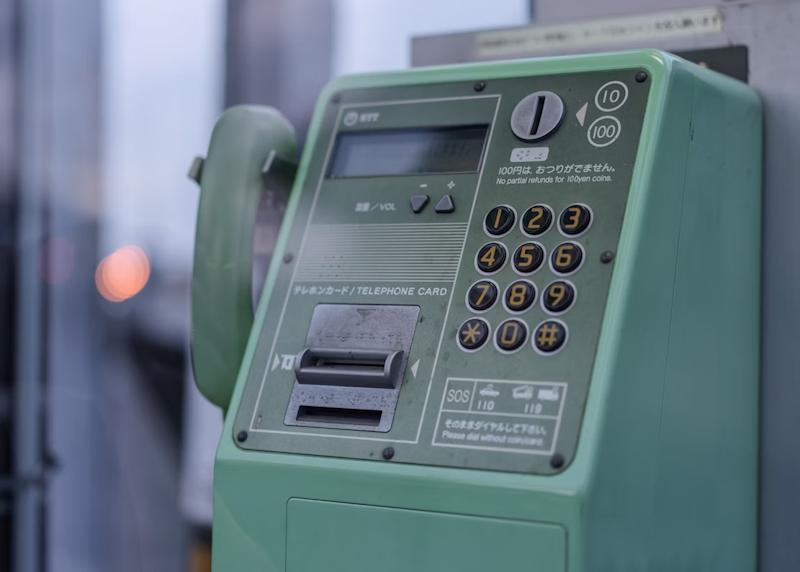
Japanese phone cards (テレホンカード, “telephone card”) are still sold and used in some public phone booths, although their numbers have decreased significantly. Many of these cards are also highly sought after by collectors.
South Korea
Phone cards are still available in South Korea, mainly for tourists or temporary communication needs. Some public booths remain operational in major cities.
Singapore
Singapore still offers phone cards, mainly for international calls or in areas with poor mobile coverage.
Australia
In Australia, some public phone booths still accept phone cards, especially for international calls and tourist areas. However, their number is declining.
Egypt
In Egypt, phone cards are still used, particularly for international calls or in remote areas with limited digital infrastructure.
Israel
Some optical phone cards are still in use in Israel, although they have gradually been replaced by chip-based cards. They are still used in specific contexts.
Countries Where Phone Cards Are Practically Obsolete
In many developed countries, phone cards have become obsolete, including:
-
United States
-
United Kingdom
-
France, Germany, Italy, and most of Western Europe
-
Much of East Asia
In these nations, public phone booths have been replaced by Wi-Fi hotspots or smartphones, making phone cards unnecessary.
Conclusion
Despite global digitalization, phone cards continue to be used in certain countries for practical, tourist, or emergency reasons. Additionally, many of these cards are highly collectible, representing a time when public communication was central to connectivity worldwide.